Explore the four types
Find your type of view
Start with the way you will use it: how you look, where you observe and the support you can bring. [N20] [PM01] [N17] [C01]
Choose a type for the way you explore.
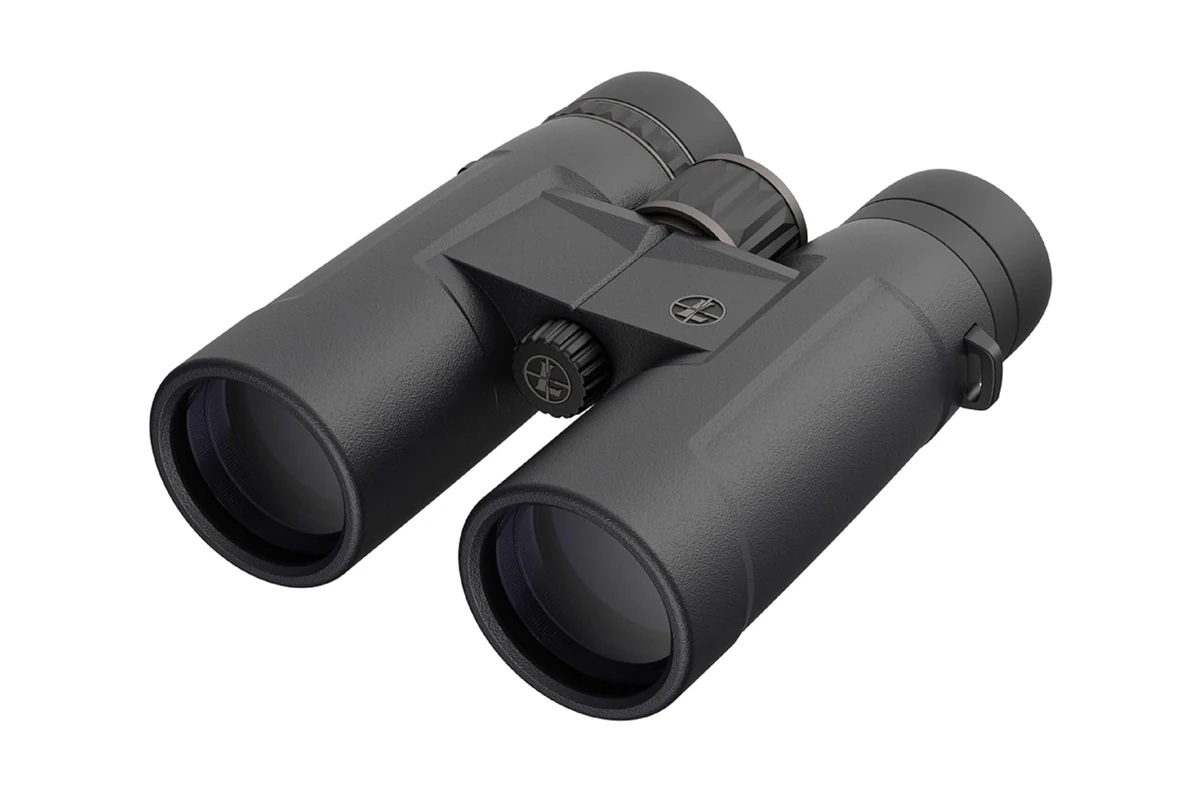
Best for
Walks & moving subjects
Both-eye viewing to find and follow subjects on the move. [N20]
Both-eye viewing: walks and moving subjects. [N20]
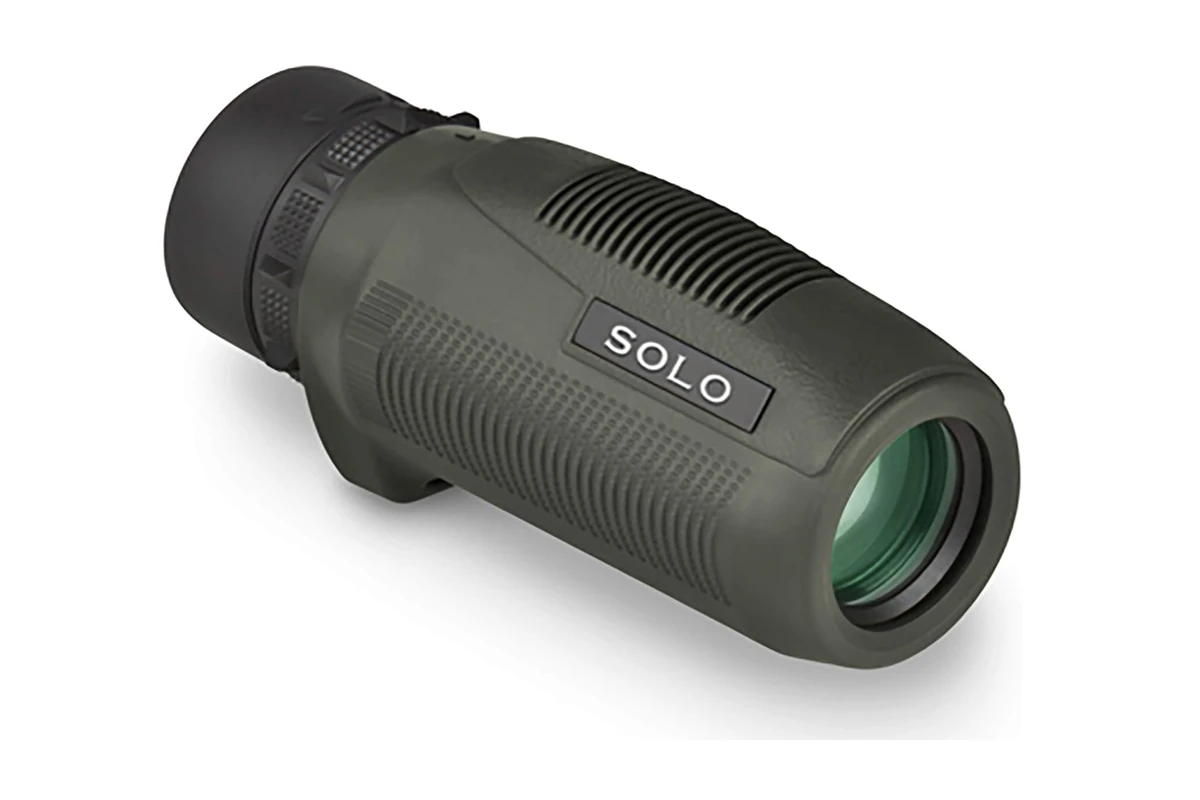
Best for
Quick looks, light travel
One-eye viewing for occasional distant checks while traveling light. [PM01]
One-eye viewing: quick looks and light travel. [PM01]
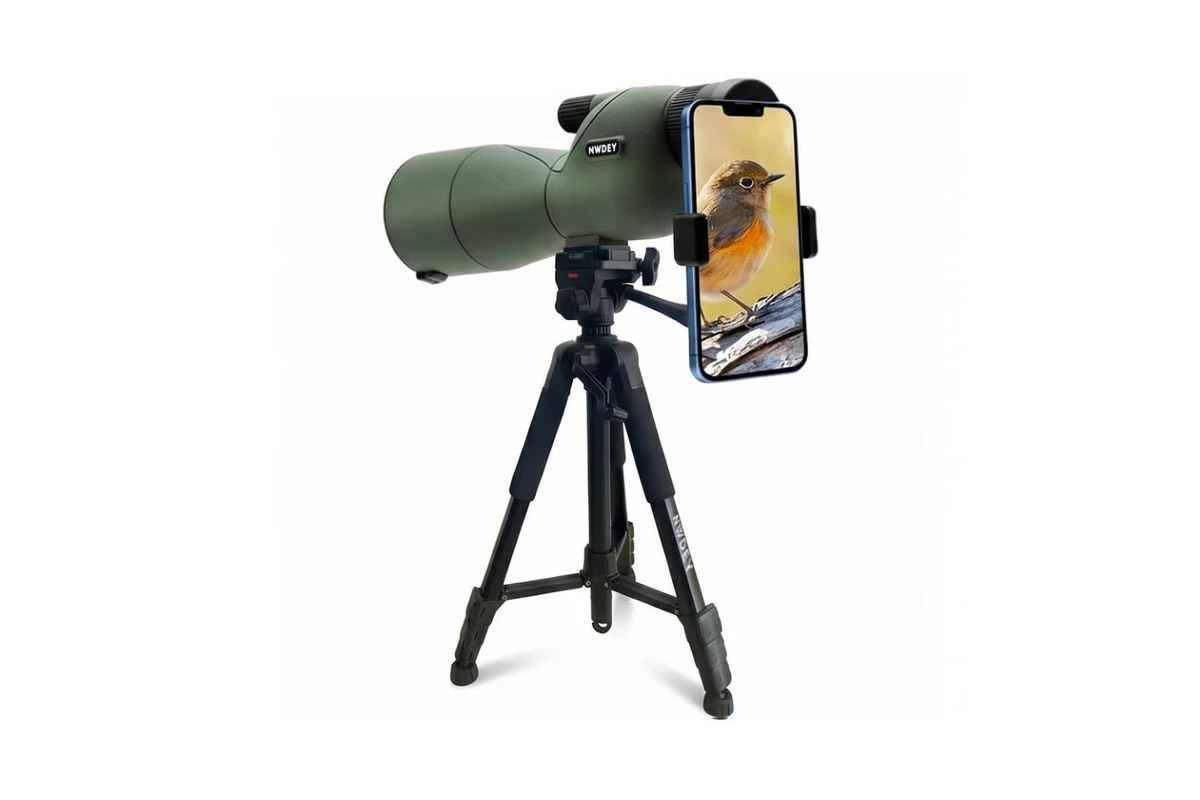
Best for
Birds & distant landscapes
Usually one eyepiece; stop to study a subject you have found. [N17]
One eyepiece: birds, distant landscapes. [N17]
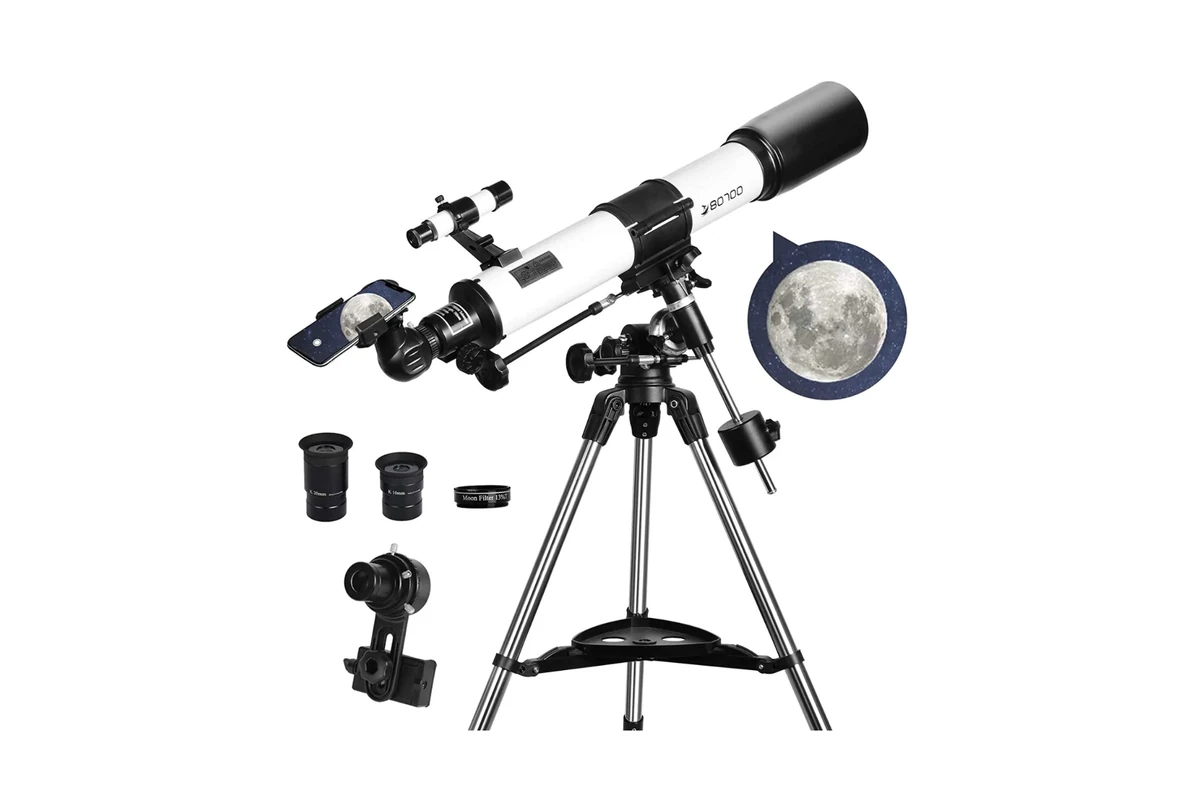
Best for
The Moon, planets & beyond
Usually one eyepiece; choose the setup around your sky targets. [C01]
The Moon, planets and beyond. [C01]
Explore the view
Choose your magnification
Find first, then zoom. Use low power to locate the subject, then increase it while the view remains useful. [N06] More about using a spotting scope.
Find first, then zoom. Start low; increase while useful. [N06]
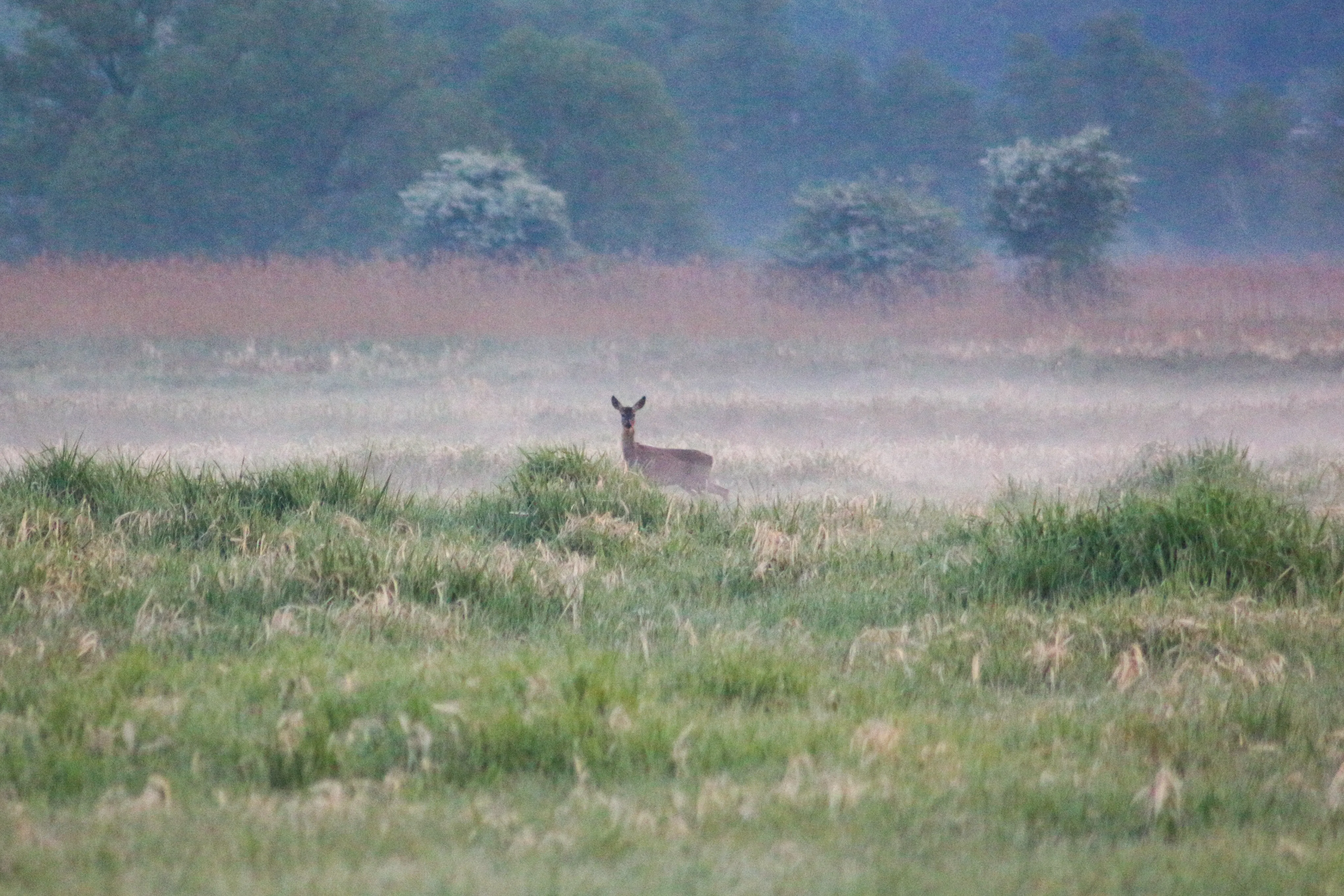
More surroundings.
25% larger than 8×.
Adjust from 20–60×.
Conceptual simulation, not a tested-product view. The percentages describe this image crop relative to the 8× illustration. Actual field of view depends on the instrument and eyepiece; magnification alone does not determine it. The simulation does not reproduce optical sharpness, brightness, atmospheric effects or hand movement. [N10]
Illustration only. Actual field of view depends on the instrument and eyepiece. [N10]
Photo source & simulation details
Switch between powers to see the same subject grow—and how much of the surrounding scene leaves the view. Magnification changes apparent image size; field of view describes how much of a scene is visible. [N18] [N10]
Find first, then zoom. Use low power to locate the subject, then increase it while the view remains useful. [N06] More about using a spotting scope.
Conceptual simulation, not a tested-product view. The percentages describe this image crop relative to the 8× illustration. Actual field of view depends on the instrument and eyepiece; magnification alone does not determine it. The simulation does not reproduce optical sharpness, brightness, atmospheric effects or hand movement. [N10]
“Roe deer in morning mist Lower Havel Valley” by Saschox / Wikimedia Commons, CC BY 4.0. Cropped, resized and converted to WebP. Saschox · CC BY 4.0.

The photograph was cropped to center the subject, resized and converted to WebP. This adapted image retains its source license. Each setting uses the same image; only its displayed scale and crop change.
For this illustration, image scale = magnification ÷ 8, and relative scene width = 8 ÷ magnification. This is an image-cropping model, not a calculation of a product’s optical field of view.
What are you trying to decide?
Choosing from scratch? Start with the four types. Compare how you plan to observe, what you can carry and what needs support.
Already know the type? Explore price and value. Understand configuration differences and the cost of a usable setup before selecting a model.
Choosing between two options? Use our comparisons. Work through the differences that could change your decision—not a universal winner.
Compare before you choose
Binoculars or a monocular? · Binoculars or a spotting scope? · Spotting scope or telescope? · 8×42 or 10×42 binoculars?
Not every choice needs an upgrade. A useful answer can be to keep your current equipment, borrow a different setup or narrow the job before spending.